



Gemini API pricing for reliable Live assistants
A production-focused guide to estimating Gemini Live costs while designing voice assistants that handle barge-in, tools, state, failures, and privacy responsibly.
Read MoreLoading
A production-focused guide to estimating Gemini Live costs while designing voice assistants that handle barge-in, tools, state, failures, and privacy responsibly.
Read More
A practical slow-network testing strategy for React teams reviewing AI-generated UI code before unreliable connectivity turns into broken user workflows.
Read More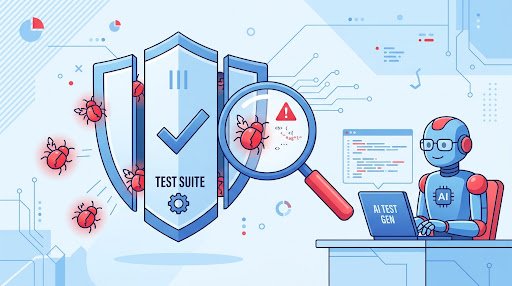
AI-generated tests can raise coverage while still approving broken behavior. Mutation testing offers a focused way to measure whether those tests detect realistic defects.
Read More
A practical reliability design for Java teams building AI-assisted workflows around slow, failing, or side-effecting tools.
Read More
AI coding guardrails matter only when teams can show they ran, evaluated relevant inputs, and enforced failures. Learn a practical evidence-and-drills pattern for Java and React delivery pipelines.
Read More
A practical rollout playbook for platform teams moving internal MCP servers to SDK 2.x while keeping existing AI-agent consumers working.
Read More
Cloud images are intentionally minimal, making undocumented host assumptions a deployment risk. Use this checklist to validate a cloud baseline before automating Spring Boot and internal AI services.
Read More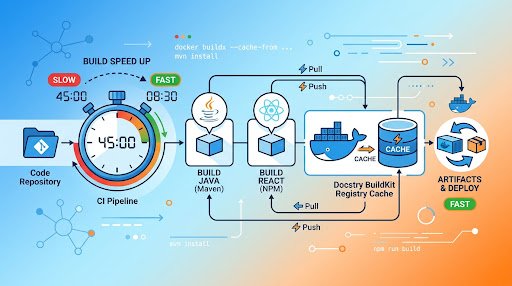
A practical guide to persisting Docker BuildKit layers in a registry so disposable CI runners can reuse dependency and build layers for Spring Boot and React projects.
Read More
Internal MCP tools become dependable when platform teams treat their names, schemas, permissions, failures, and behavior as versioned contracts. This guide explains a practical testing approach for Java teams and...
Read More
AI coding agent repository memory should be versioned with the code: instructions define how to work, ADRs preserve architectural rationale, and tests enforce behavior and boundaries.
Read More